%20-%20960X960%20(1).png)
🌊 Spring Melt Drainage Problems: 7 Hidden Drainage Problems That Could Cost You Thousands

Why Every Ontario Homeowner

Should Pay Attention Before the Ground Thaws
When Ontario winter finally loosens its grip, homeowners experience a beautiful — and potentially problematic — phenomenon: rapid snow melt. That melting water needs to go somewhere — and without intentional design, it can quickly expose or create hidden drainage problems that show up as flooded basements, heaving patios, or damaged retaining walls.
At Fine Lines Landscape & Designs, we believe landscape beauty and performance matter. A well-crafted landscape isn’t just stunning — it manages water, protects structures, and integrates nature with smart engineering — principles I learned through rigorous training as a Fusion Landscape Professional.
Below are seven common drainage issues that will become active this spring melt, plus solutions that save you money and stress.

1️⃣ Improper Grading Around the Foundation
Water should naturally move away from your home, not toward it. With time and settling soil, grades can invert — gently directing water into your foundation rather than out into the yard.
This is a drainage problem we consider early in every outdoor project — whether it’s an interlock patio or a garden bed installation. Good grading protects foundations and sets the stage for long-lasting patios and walks. Learn more about how we build hardscapes that withstand Ontario weather in our Interlock Patios & Walkways service overview.
2️⃣ Downspouts That Dump Too Close

Your roof sheds water — lots of it. When downspouts release near your foundation, that water can soak into soil beside your home and increase pressure against basement walls.
Try extending downspout drainage lines 6–10 feet away where possible, or tie them into approved swales — intentional channels that move runoff safely across your property.
3️⃣ Interlock Heaving From Freeze/Thaw Cycles

Interlock patios and walkways not only beautify your home — they set functional patterns for water flow. But if water sits beneath the pavers through freeze/thaw cycles, the ground can heave, creating uneven stones and trip hazards.
This is why we emphasize proper base prep and drainage in every interlock install — a crucial part of building structures that age gracefully and remain level throughout seasonal cycles.
4️⃣ Saturated Soil Pressuring Retaining Walls

Retaining walls are more than decorative features — they are structural elements that must resist lateral water pressure. Without adequate drainage pipe, gravel backfill, and reinforcement, saturated soil can begin pressing outward.
When we design and build Retaining Walls, we always include drainage planning as a core component of stability and long-term performance, not an afterthought.
5️⃣ Lawn Low Spots Turning Seasonal Swamps

Low spots in your lawn often become swampy as snow melts. This isn’t just messy — it can indicate improper site grading or compacted soil that prevents water from draining naturally.
True landscape design accounts for water movement across the whole property — not just the plants and hardscape pieces. Sometimes the solution is grading; other times it’s strategic swales or French drains that direct water to where it can seep away harmlessly.
6️⃣ Mulch & Garden Beds Too Close to the House
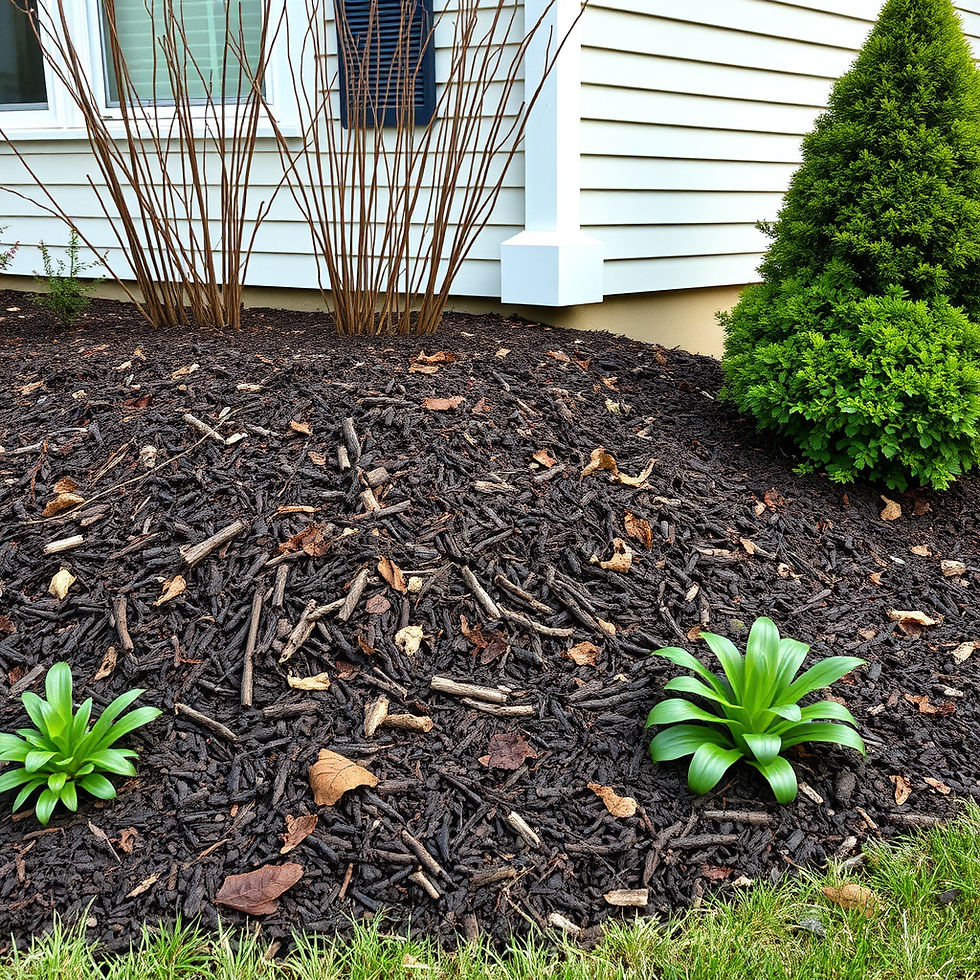
It’s common for mulch and garden beds to creep upward around siding over time. When organic matter sits against your foundation or exterior walls, it holds moisture and can trap water where it doesn’t belong.
This can be avoided with intentional bed design and regular maintenance — another reason why seasonal services like spring clean-ups and mulch refreshes aren’t just cosmetic. They protect your home’s structure, too.
7️⃣ No Drainage Plan At All

The biggest issue we see across residential properties is the lack of an intentional drainage plan. At Fine Lines, we believe water management should be part of every landscape design — whether it’s a patio, garden, walkway, or outdoor living space.
That’s why our approach always begins with site assessment — grading, soil type, runoff patterns, freeze depth, and overall water movement — before we even sketch the first line of plantings or stonework.
🛠 What To Do Before Melt Peak
Before the worst of the meltwater hits:
Walk your property with a camera and note where water pools.
Check downspout discharge points.
Look for areas that slope toward the house.
Inspect your interlock and retaining walls for early signs of stress.
Small issues caught early mean smaller fixes — and greater savings.
🌱 Related Resources You’ll Love
If you’re interested in planning your full landscape design while addressing drainage issues:
➡️ Read Why Winter Is the Secret Season for Planning Your Spring Landscaping Project to learn how early planning gives you a stronger, smoother build and avoids rushed spring decisions.
➡️ Explore our Outdoor Living Spaces page to see how drainage planning is integrated into patios, pergolas, gardens, and gathering zones.
🏡 Final Thoughts
Spring meltwater is not the enemy — unmanaged water is. Protecting your property starts with understanding how water moves across your landscape and designing with intention.
Whether you’re contemplating an interlock patio, a tiered garden wall, or a full property transformation this year, good drainage planning will make the difference between a landscape that lasts decades and one that needs repairs next spring.


Comments